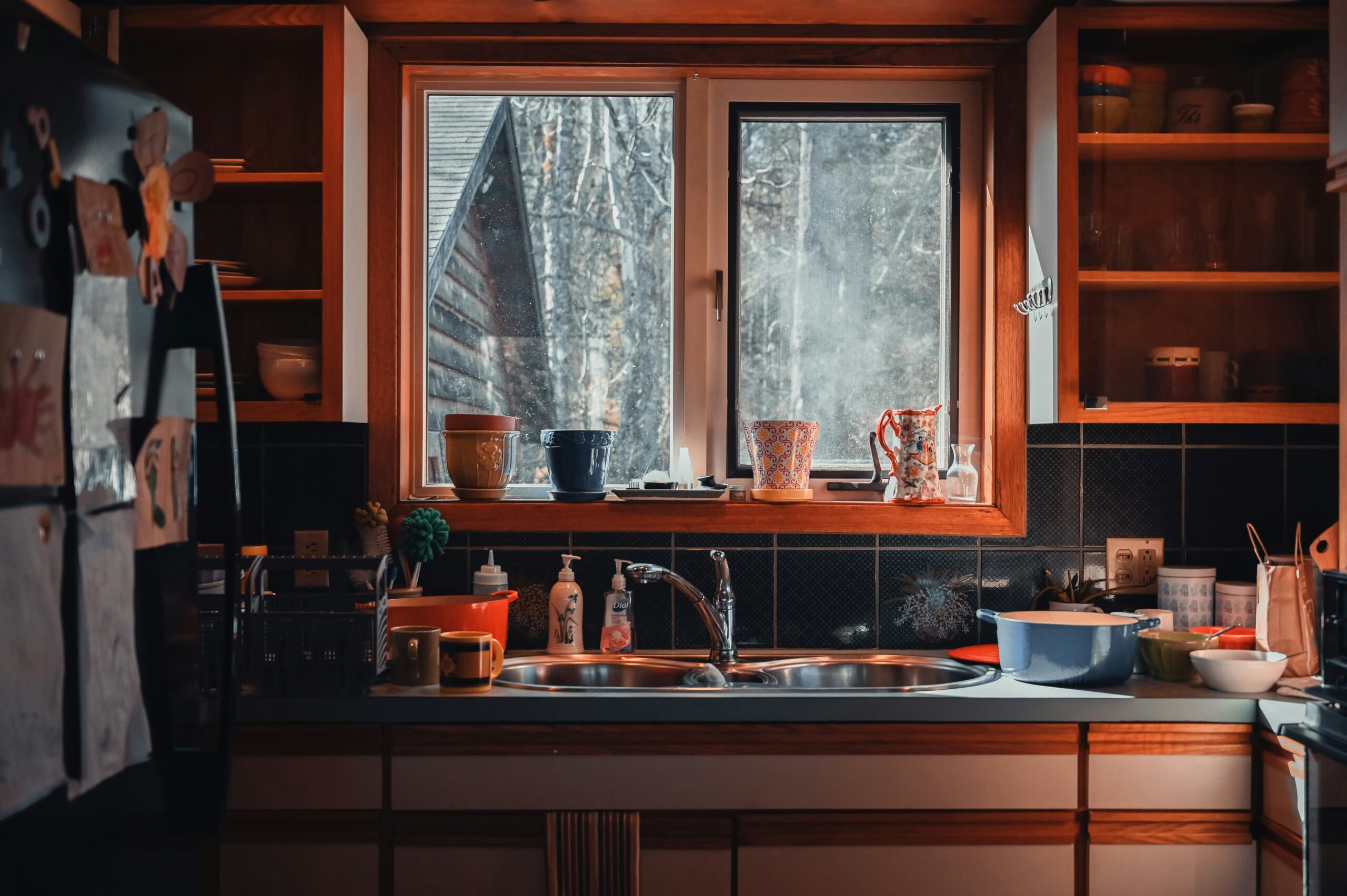
We have a house coming to market soon that was built in the early 2000s. At roughly 25 years old, it sits right at the point where many homes begin to split into two very different categories: updated… and dated.
When people first move into a brand-new house, the first five years are usually busy ones. Decks are built. Driveways are paved. Landscaping replaces mud. Walls get painted something other than “builder beige.” Basements get finished. Fencing goes up. Thousands of dollars are spent turning a construction site into a home.
Then things slow down.
Around the 15-year mark, most homes need another wave of attention. Kitchens begin looking tired. Appliances wear out. Bathrooms quietly drift out of style. Flooring shows its age. Lighting starts looking like it belongs in a dental office from 2004.
Homes that receive this second round of updating usually continue aging well.
The problem is many homes never get that second chapter.
What’s left is often a perfectly functional property that quietly fell behind while the owners were busy living life inside it.
And here’s the fascinating part: the owners often stop seeing it.
The chips in the kitchen cabinets disappear into familiarity. The faded paint becomes invisible. The brass light fixture over the dining room table that looked elegant in 2001 simply becomes “the dining room light.” The oversized pot lights, almond-coloured switches and aging oak cabinets blend into the background because they have been part of everyday life for decades.
It’s a little like realizing your refrigerator is still harvest gold twenty years after the rest of the world moved on.
We recently sold a fully updated home with a two-bedroom walkout lower apartment. It showed beautifully: modern finishes, fresh décor, updated lighting, clean landscaping and a layout that felt current. It sold in less than a week.
A similar model nearby will soon be coming to market. In some ways, it is actually superior. The layout is larger. The home has been lovingly maintained by the same owners for nearly two decades. Mechanically, it is in fine condition.
But cosmetically, very little has changed over the years.
Based on experience, the difference in selling price could easily approach $75,000.
Not because the home was neglected.
Because buyers in 2026 place enormous value on “move-in ready.”
Younger buyers, especially those juggling careers, children and high mortgage payments, often want homes that feel current the moment they walk through the front door. Homes requiring updating still sell, but the buyer pool becomes smaller and those buyers typically expect financial compensation for the work ahead of them.
One of the more interesting things I see working with older homeowners is that the final years of ownership often work in reverse of the first years.
Young families arrive full of energy and ambition. They improve everything.
People in their seventies and beyond often begin slowing the cycle down. Spending $40,000 on a kitchen renovation or replacing perfectly functional bathrooms no longer feels exciting or practical when the future may include downsizing, a condo, retirement living or assisted care.
And honestly, that thinking makes complete sense.
Why invest heavily in upgrades you may only enjoy for a short period of time?
Another factor is that people socialize differently today than they once did. Before Covid, friends, neighbours and relatives toured each other’s homes more frequently. People casually saw renovated kitchens, modern flooring, new lighting trends and updated bathrooms simply by visiting one another.
Today many homeowners have become more insulated inside their own spaces. Without regular comparison, homes age quietly.
I see it in my own house which was built in 2001. Some of the upgrades that now feel modern in 2026 are surprisingly basic: replacing old electrical outlets and switches with Decora-style products, swapping oversized pot lights for slim LED fixtures and installing low-volume water-efficient toilets. Small changes perhaps, but collectively they modernize how a home feels.
None of this means older homes are bad homes.
Far from it.
Many are better built, larger and located in mature neighbourhoods that younger buyers desperately want to move into. But the market has changed. Buyers compare homes instantly online and within seconds begin mentally subtracting costs for flooring, kitchens, bathrooms, windows, lighting and décor.
A house can be extremely valuable on paper and still lose momentum in the marketplace if it feels trapped in another era.
That is the harvest gold fridge dilemma.
If you are considering a move and have been in your home for many years, sometimes the most valuable thing you can do is view your property through fresh eyes before the for sale sign ever appears on the lawn.
In some cases, modest improvements create substantial returns. In others, the smartest decision may be to sell the home exactly as it is and price accordingly.
The key is understanding the difference before the market does it for you.
And perhaps that is the strangest part of real estate after all: houses age slowly enough that the people living inside them rarely notice it happening.
Until one day, a buyer walks in and sees 2003 standing perfectly preserved under a brushed nickel chandelier.
Like finding a Sony Walkman in a Tesla glovebox.If you are planning a move, now or in the future and would like a “fresh set of eyes trained to spot valuable possibilities” I can be reached at lindsay@buyselllove.ca or 905-743-5555